How much does a new roof cost in Wenham, MA?
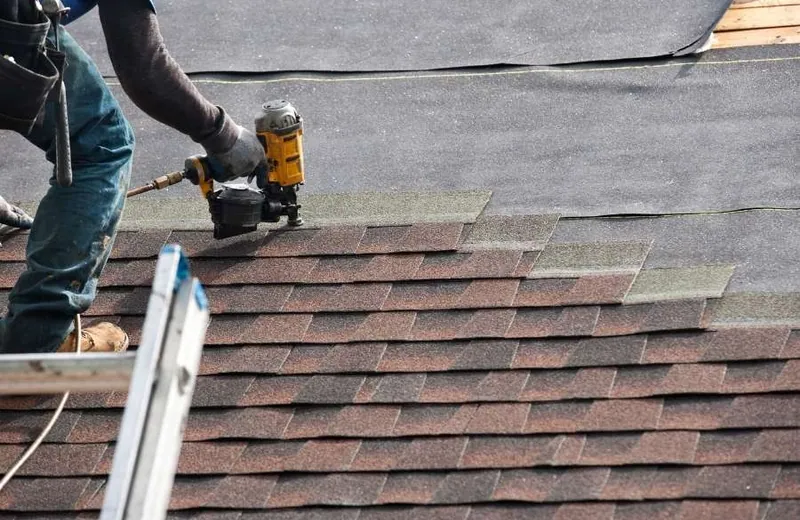
Most asphalt shingle replacements on typical North Shore homes run roughly $13,000 to $25,000. Antique colonials with multiple layers, plank sheathing repairs and big central chimneys often land between $28,000 and $55,000. Standing seam metal and slate cost more up front but last much longer. The biggest variables are how many old layers need to come off, the condition of the deck underneath, and how many dormers, valleys and chimneys the roof has. We give you a written estimate with unit prices for hidden conditions, so you can budget accurately, and financing is available.
How long does a roof replacement take?
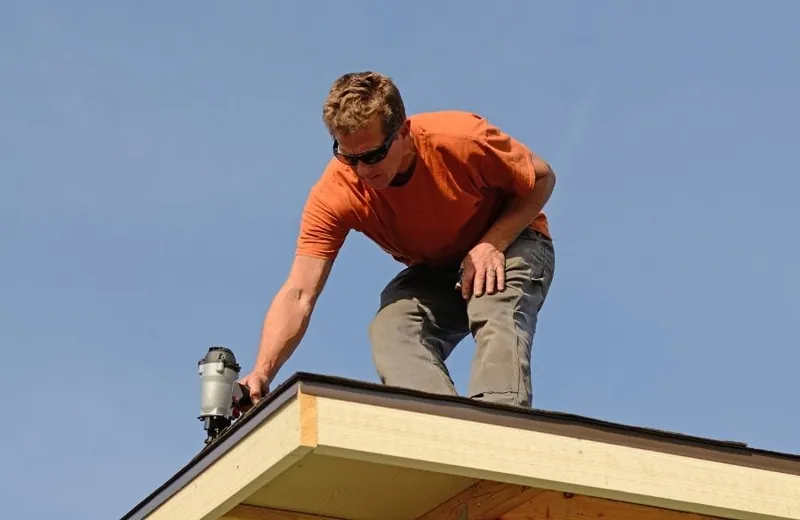
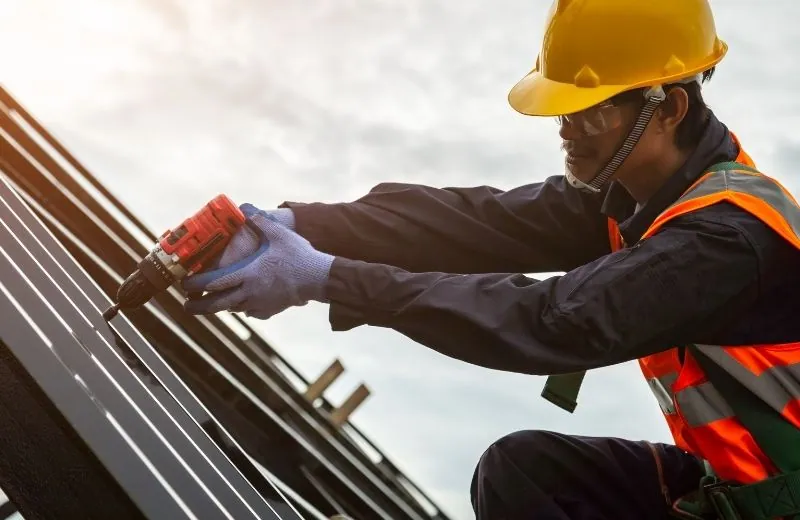
Most single-family homes take two to five working days once materials are on site. A simple ranch in Danvers might be done in two days. A dormered First Period home in Wenham or Ipswich with sheathing repairs and chimney reflashing can take a week or more, and large metal barn roofs or slate projects take longer still. Before work begins, add one to three weeks for permits and material ordering, and more if a historic commission needs to review the project. Weather matters too, and we won't open a roof with a nor'easter on the way.
Do I need a permit to replace my roof in Wenham?
Yes. Reroofing in Massachusetts generally requires a building permit under the state building code, 780 CMR, issued by the local building department in Wenham, Hamilton, Beverly or wherever the property is. The permit triggers inspections and ensures code items like the required ice barrier are in place. If your home is in Wenham's Main Street historic district, or a district in Salem, Marblehead, Ipswich, Beverly or Manchester-by-the-Sea, changing roofing materials or adding skylights may also require a certificate of appropriateness. We handle the permit paperwork and help with commission submissions.
How can I prevent ice dams on my house?
Ice dams start when attic heat melts snow on the roof, so the lasting fix is keeping the roof deck cold. That means sealing the air leaks between living space and attic (around light fixtures, chimneys and attic hatches), adding insulation and making sure soffit vents feed fresh air up to a properly sized ridge vent. At the roof itself, ice and water shield at the eaves and valleys keeps backup water out if a dam does form. Heat cable helps in problem spots on complex rooflines. Raking snow off the lower few feet after big storms helps in the short term.
When should I call a roofer instead of waiting?
Call right away if water is dripping inside, ceilings are sagging or stained after a thaw, shingles are missing after a storm, or a limb has hit the roof. Those situations get worse with every rain or freeze. Schedule an inspection soon if you see heavy icicles every winter, granules piling up in gutters, curling or cracked shingles, daylight in the attic or tar-patched chimney flashing. Spring and fall are ideal for planned replacements, because Wenham's roofing season is short and calendars fill up quickly once the weather warms.
Should I choose metal or asphalt shingles for my Wenham home?
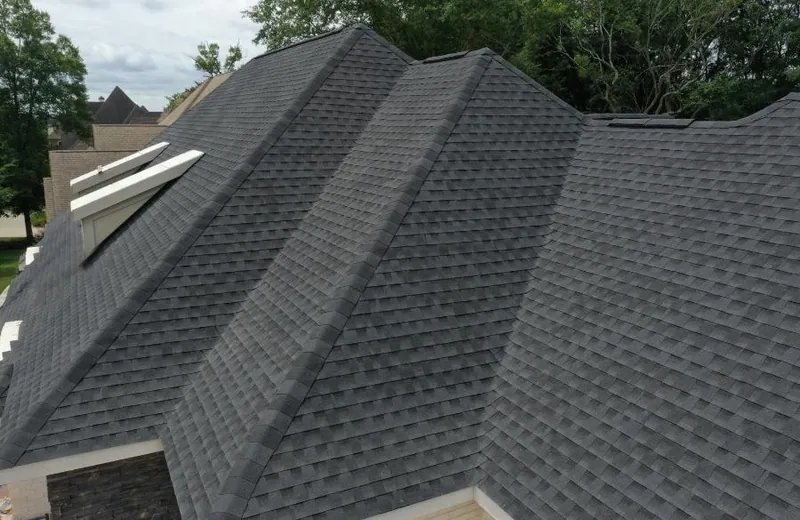
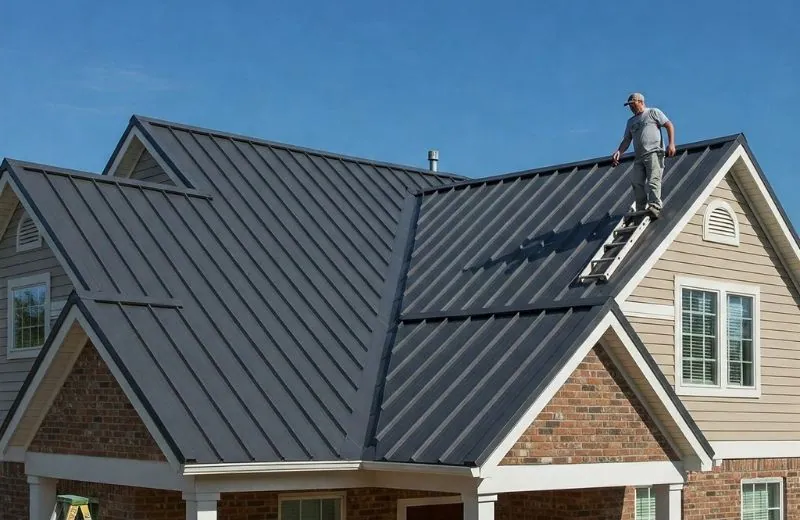
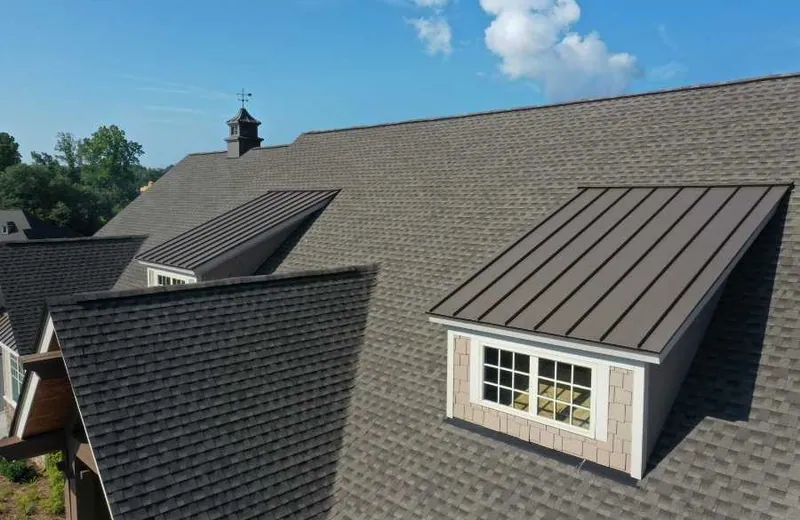
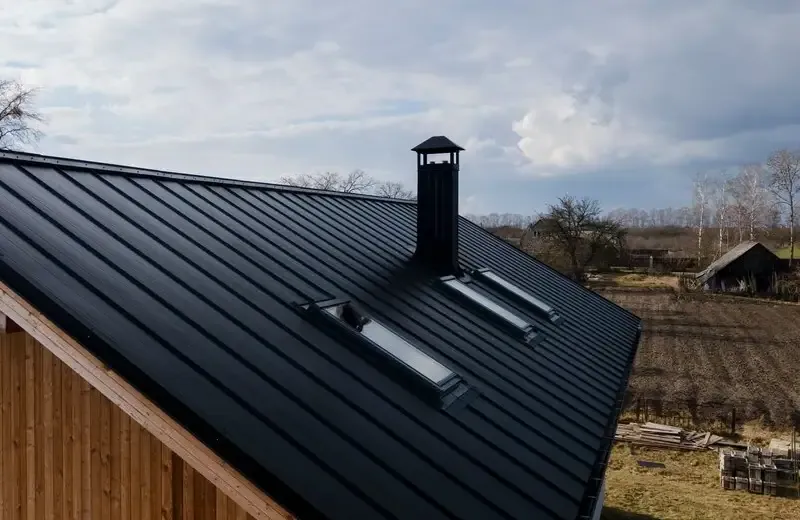
It depends on how long you'll stay and what the building is. Architectural asphalt costs less up front, suits most colonials and capes, and lasts about 20–30 years when installed with proper ventilation. Standing seam metal costs more but sheds heavy snow, resists nor'easter uplift and can last decades longer. It's especially good for barns, low-pitch porches and homes with chronic ice dams. In historic districts, metal may or may not be approved depending on visibility and the home's style. We'll go over both honestly for your specific roof.
Can you repair my slate or cedar roof instead of replacing it?
Often, yes. Slate can last a century or more, and many failures on Beverly Farms and Manchester estates come down to broken individual slates, worn flashing or failed built-in gutters, not the slate itself. We replace slates with salvaged or matching stone using slate hooks or copper nails. Cedar roofs can be repaired if the field is mostly sound, though widespread rot or cupping usually means replacement. Massachusetts code doesn't allow roofing over slate or wood shakes, so when replacement is needed, it's a full tear-off.
What should I do after a nor'easter damages my roof?
First, stay safe and stay off the roof. Take photos of interior leaks and any visible exterior damage, move valuables away from the water, and call us for emergency tarping to stop more damage. We'll document conditions for your insurance claim. Be cautious with out-of-area contractors who show up after storms. Before you sign, verify insurance, a Massachusetts Construction Supervisor License and Home Improvement Contractor registration. Once the weather settles, we'll make permanent repairs with proper flashing and secure fastening.